Showing posts with label disease prevention. Show all posts

Monday, November 20, 2023

487 - Probiotic Pulverizes Pathogen Persisters

E. coli
This episode: A probiotic strain of E. coli can target and destroy pathogens that survive a treatment of antibiotics!
Download Episode (8.2 MB, 12 minutes)

Show notes:
Microbe of the episode: Streptomyces griseoruber
 
Takeaways
Antibiotic resistance is becoming more and more of a problem as bacterial pathogens develop resistance to more and more drugs. For some people who develop an infection that is resistant to everything, it's as if they were living back in the days before antibiotics were discovered, when all they could do was pray for survival. New antibiotics are needed, but even more needed are new ways of approaching treatment of infections, using innovative approaches and combinations of therapeutics.

In this study, a probiotic strain of Escherichia coli was used to target potentially pathogenic E. coli bacteria that can survive treatment with a particularly effective type of antibiotic, fluoroquinolones. This probiotic strain, called Nissle, delivers toxins directly to the survivors, preventing resistant pathogens from proliferating.


Journal Paper:
Hare PJ, Englander HE, Mok WWK. 2022. Probiotic Escherichia coli Nissle 1917 inhibits bacterial persisters that survive fluoroquinolone treatment. J Appl Microbiol 132:4020–4032.


Post questions or comments here or email to bacteriofiles@gmail.com. Thanks for listening!

Subscribe: Apple Podcasts, Google Podcasts, Android, or RSS. Support the show at Patreon, or check out the show at Twitter or Facebook.

Monday, December 26, 2022

473 - Bacteriophage Bunks in Bacterial Barriers

Bacteriophages
By Jancheva and Böttcher,
2021, JACS 143:8344-8351
CC BY 4.0

 
This episode: A bacteriophage that overcomes the bacterial  CRISPR/Cas immune system by interrupting the CRISPR DNA with its own genome!
Download Episode (6.8 MB, 10 minutes)

Show notes:
Microbe of the episode: Wenzhou mammarenavirus
 
Takeaways
Bacteria have many ways to resist being exploited by bacteriophage viruses, including the adaptable CRISPR/Cas system that uses a piece of viral nucleic acid sequence to target and destroy incoming phages. But phages also have many ways to evade and disrupt bacterial defenses.

In this study, a phage is discovered that inserts its own genome into the CRISPR/Cas sequence in the bacterial genome, disrupting the bacterial defenses. To escape the defenses while it is doing this insertion, it carries genes for previously-unknown anti-CRISPR proteins. But inserting and removing a viral sequence from the bacterial genome is not always a clean procedure.

Journal Paper:
Varble A, Campisi E, Euler CW, Maguin P, Kozlova A, Fyodorova J, Rostøl JT, Fischetti VA, Marraffini LA. 2021. Prophage integration into CRISPR loci enables evasion of antiviral immunity in Streptococcus pyogenes. 12. Nat Microbiol 6:1516–1525.

Other interesting stories:

Post questions or comments here or email to bacteriofiles@gmail.com. Thanks for listening!

Subscribe: Apple Podcasts, Google Podcasts, Android, or RSS. Support the show at Patreon, or check out the show at Twitter or Facebook.

Monday, July 11, 2022

470 - Super Small Symbionts Soothe Symptoms

Tiny symbiont Saccharibacteria (yellow-green)
on host bacteria (red)
By Utter et al.,
CC BY-SA 4.0


This episode: Tiny bacteria that live on larger bacteria reduce the inflammation and gum disease the bigger microbes cause in the mouths of mice!

Download Episode (6.3 MB, 9.2 minutes)

Show notes:
Microbe of the episode: Actinomadura viridilutea

Takeaways
Even bacteria can be hosts to smaller symbionts living on them. Some kinds of these extremely tiny bacteria live in various parts of our bodies, and are sometimes associated with inflammation and the resulting disease. But being associated with something isn't necessarily the same as causing that thing.

In this study, tiny bacteria living on other bacteria in the mouths of mice were found to reduce the inflammation caused by their bacterial hosts, resulting in less gum disease and bone loss in the jaw. Even when the tiny bacteria were no longer present, their former bacterial hosts were still less disruptive to the mouse mouth.

Journal Paper:
Chipashvili O, Utter DR, Bedree JK, Ma Y, Schulte F, Mascarin G, Alayyoubi Y, Chouhan D, Hardt M, Bidlack F, Hasturk H, He X, McLean JS, Bor B. 2021. Episymbiotic Saccharibacteria suppresses gingival inflammation and bone loss in mice through host bacterial modulation. Cell Host Microbe 29:1649-1662.e7.

Other interesting stories:

Post questions or comments here or email to bacteriofiles@gmail.com. Thanks for listening!

Subscribe: Apple Podcasts, Google Podcasts, Android, or RSS. Support the show at Patreon, or check out the show at Twitter or Facebook.
Monday, February 28, 2022

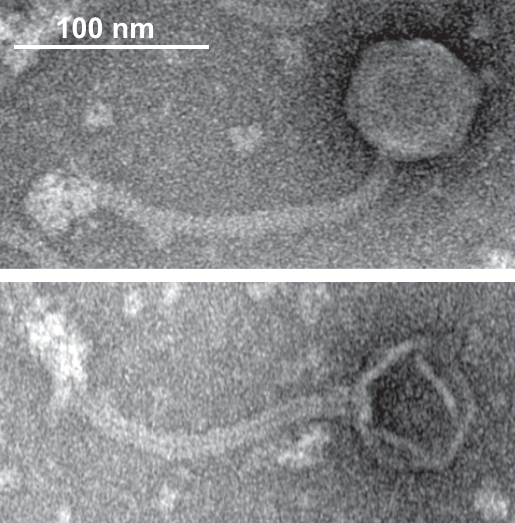
468 - Commensal Can Kill Cholera

Vibrio cholerae
This episode: Harmless gut microbes resist cholera with good defense or better offense!

Download Episode (5.8 MB, 8.4 minutes)

Show notes:
Microbe of the episode: Streptomyces corchorusii

News item

Takeaways
The community of microbes in our guts is highly diverse, yet generally they all coexist relatively peacefully. Some pathogens can invade this community and cause massive disruptions. Cholera is a disease caused by a pathogen that injects its competing bacteria with toxins and disrupts the health of the gut, leading to very watery diarrhea that can quickly dehydrate victims.

This study found that some microbes commonly found harmlessly existing in the gut can resist destruction by the cholera pathogen. One of these resists by striking back with its own toxin injection system; the other creates a barrier of slime around itself that keeps the invader's toxins from reaching it. Such resistant gut microbes could help to reduce the threat of diseases such as cholera.

Journal Paper:
Flaugnatti N, Isaac S, Lemos Rocha LF, Stutzmann S, Rendueles O, Stoudmann C, Vesel N, Garcia-Garcera M, Buffet A, Sana TG, Rocha EPC, Blokesch M. 2021. Human commensal gut Proteobacteria withstand type VI secretion attacks through immunity protein-independent mechanisms. Nat Commun 12:5751.

Other interesting stories:

Post questions or comments here or email to bacteriofiles@gmail.com. Thanks for listening!

Subscribe: Apple Podcasts, Google Podcasts, Android, or RSS. Support the show at Patreon, or check out the show at Twitter or Facebook.

Monday, September 20, 2021

463 - Selectively Stimulating Cell Squatters

Bacteriophages
By Jancheva and Böttcher
2021, JACS 143:8344-8351
CC BY 4.0
This episode: Bacteria produce a compound that causes a phage lurking in the genome of a competing species to wake up and start killing that competitor!

Download Episode (8.2 MB, 12.0 minutes)

Show notes:
Microbe of the episode: Zaire ebolavirus

News item

Takeaways
Some bacteriophages infect and immediately destroy their hosts in a burst of new viruses, while others can be stealthier, integrating their genome into the genome of the host and remaining there quietly even over multiple generations of the bacteria. When something stresses the host, such as DNA damage, these integrated phages (prophages) become active and start producing new viruses, killing their host like the other kind does.

In this study, one kind of bacteria release a chemical that wakes up phages in a competitor species of bacteria. This is helpful for competition, but even more interesting is that out of the six prophages in the competitor species, the chemical wakes up only one of them. Such selective phage induction could be interesting to study.

Journal Paper:
Jancheva M, Böttcher T. 2021. A Metabolite of Pseudomonas Triggers Prophage-Selective Lysogenic to Lytic Conversion in Staphylococcus aureus. J Am Chem Soc 143:8344–8351.

Other interesting stories:

Post questions or comments here or email to bacteriofiles@gmail.com. Thanks for listening!

Subscribe: Apple Podcasts, Google Podcasts, Android, or RSS. Support the show at Patreon, or check out the show at Twitter or Facebook.
Monday, September 6, 2021

461 - Ingrained Invader Inhibits Infectors

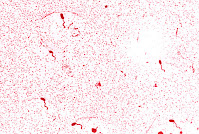
Lambda phage
By Hans-Wolfgang Ackermann
Swiss Institute of Bioinformatics
CC BY 4.0
This episode: Training a phage strain on bacteria can increase its ability to control those bacteria for much longer than an untrained phage!

Download Episode (5.7 MB, 8.3 minutes)

Show notes:
Microbe of the episode: Pepper yellow leaf curl Indonesia virus

News item

Takeaways
With resistance to antibiotics spreading more and more among deadly bacteria, finding alternatives to treat infections is becoming more important. One option is phage therapy, using viruses that infect bacteria to weaken or wipe out pathogens, but this can be tricky. Sometimes it takes too long to prepare an effective population of phage for treatment, and sometimes the target pathogen evolves resistance to the phage too quickly

In this study, a phage that was trained, or pre-evolved, to infect specific bacteria more effectively, was able to dominate the population consistently and prevent it from becoming fully resistant. For comparison, against an untrained strain of the same phage, the bacteria developed almost complete resistance after several days.

Journal Paper:
Borin JM, Avrani S, Barrick JE, Petrie KL, Meyer JR. 2021. Coevolutionary phage training leads to greater bacterial suppression and delays the evolution of phage resistance. Proc Natl Acad Sci 118.

Other interesting stories:

Post questions or comments here or email to bacteriofiles@gmail.com. Thanks for listening!

Subscribe: Apple Podcasts, Google Podcasts, Android, or RSS. Support the show at Patreon, or check out the show at Twitter or Facebook.

Monday, May 24, 2021

453 - Phenazine Faciliates Phosphorus Feeding

Pseudomonas aeruginosa
By Y_tambe, CC BY-SA 3.0
This episode: Some bacteria produce antibiotics that can also help them gather more nutrients!

Download Episode (5.0 MB, 7.3 minutes)

Show notes:
Microbe of the episode: Diadromus pulchellus toursvirus

News item 1

Takeaways
Antibiotics have saved a lot of lives since they were discovered and used to treat many previously untreatable bacterial infections. But bacteria themselves have been making antibiotics much longer than we have, to help compete in their environment. However, sometimes these compounds are not produced in large enough concentrations to act as antibiotics, killing or inhibiting rival bacteria. Why waste energy on this sublethal production? Are there other functions these molecules can perform?

In this study, bacteria produce an antibiotic called phenazine that can damage cell components by redox reactions, transferring electrons. But it can also help liberate the essential nutrient phosphorus from being bound to insoluble particles, allowing the bacteria to grow better even in the absence of competitors.

Journal Paper:
McRose DL, Newman DK. 2021. Redox-active antibiotics enhance phosphorus bioavailability. Science 371:1033–1037.
Other interesting stories:

Post questions or comments here or email to bacteriofiles@gmail.com. Thanks for listening!

Subscribe: Apple Podcasts, Google Podcasts, Android, or RSS. Support the show at Patreon, or check out the show at Twitter or Facebook.

Monday, February 1, 2021

446 - Biofilm Benefits Bone Braces

Biofilm-coated implant
By Tan et al. 2020,
Sci Adv 6:eaba5723
CC BY-NC 4.0
This episode: The biofilm that probiotic bacteria can leave behind on a titanium implant seems to help it integrate better with the existing skeleton, with less inflammation and risk of infection!

Download Episode (5.5 MB, 7.9 minutes)

Show notes:
Microbe of the episode: Methylobacterium organophilum

Takeaways
Skeletal implants make it a lot easier for many people to stay mobile as they age, but the surgical procedure of implanting is risky. Its invasive nature puts stress on the immune system, which puts stress on other systems, and the spread of antibiotic resistance is increasing the risk of a hard-to-treat infection.

In this study, probiotic bacteria grow in a biofilm on titanium implants before being inactivated, leaving only the biofilm behind on the implant. This biofilm-coated implant showed improved bone integration, antimicrobial resistance that was not toxic to the body's own tissues, and reduced inflammation when implanted into rats.

Journal Paper:
Tan L, Fu J, Feng F, Liu X, Cui Z, Li B, Han Y, Zheng Y, Yeung KWK, Li Z, Zhu S, Liang Y, Feng X, Wang X, Wu S. 2020. Engineered probiotics biofilm enhances osseointegration via immunoregulation and anti-infection. Sci Adv 6:eaba5723.

Other interesting stories:

Post questions or comments here or email to bacteriofiles@gmail.com. Thanks for listening!

Subscribe: Apple Podcasts, Google Podcasts, Android, or RSS. Support the show at Patreon, or check out the show at Twitter or Facebook.

Monday, December 21, 2020

441 - Hyphal Hijacker Helps Harvests

Fungus growing in root
By Zhang et al. 2020
Molec Plant 13:1420-1433
CC BY-NC-ND 4.0
This episode: A fungus-infecting virus transforms the fungal foe into a friend of its host plant!

Download Episode (6.1 MB, 8.9 minutes)

Show notes:
Microbe of the episode: Hepacivirus J


Takeaways
Viruses can be useful for treating various diseases, especially bacterial infections and cancer. Their ability to target certain cell types specifically makes them great at hunting down and killing disease-causing cells without harming the body's healthy tissue. And just as bacteriophages can work to treat bacterial disease in us, fungal viruses could help to treat serious fungal infections in crop plants.

In this study, a fungus-infecting virus goes beyond treating a deadly fungal disease in rapeseed plants. Fungus infected with this virus no longer causes disease, but lives in harmony with the host plant, protects it from other fungal diseases, and even helps it to grow better.

Journal Paper:
Zhang H, Xie J, Fu Y, Cheng J, Qu Z, Zhao Z, Cheng S, Chen T, Li B, Wang Q, Liu X, Tian B, Collinge DB, Jiang D. 2020. A 2-kb Mycovirus Converts a Pathogenic Fungus into a Beneficial Endophyte for Brassica Protection and Yield Enhancement. Mol Plant 13:1420–1433.

Other interesting stories:

Post questions or comments here or email to bacteriofiles@gmail.com. Thanks for listening!

Subscribe: Apple Podcasts, Google Podcasts, Android, or RSS. Support the show at Patreon, or check out the show at Twitter or Facebook.

Monday, November 9, 2020

437 - Balmy Bacteria Build Bone

Porous interior of bone
By Daniel Ullrich Threedots
CC BY-SA 3.0
This episode: Warmth helps mice build stronger bones, mediated by bacteria producing certain compounds!

Download Episode (6.8 MB, 9.9 minutes)

Show notes:
Microbe of the episode: Aquaspirillum serpens


Takeaways
Bones aren't just solid, structural supports for the body's tissues. They're active and alive, housing important components of the immune system, and also capable of being broken down and built up in response to changes in the body's interactions with the environment. Various things can affect bone mass and health, including nutrition, temperature, age, and even the body's microbes.

In this study, two of these effects are found to interact. Warmth leads to increased bone density in mice, and this effect can be attributed to the microbes in the mice, and transmitted from one mouse to another just by transplanting microbes adapted to warmth. Even the particular chemicals the microbes produce that mediate this effect are discovered.

Journal Paper:
Chevalier C, Kieser S, Çolakoğlu M, Hadadi N, Brun J, Rigo D, Suárez-Zamorano N, Spiljar M, Fabbiano S, Busse B, Ivanišević J, Macpherson A, Bonnet N, Trajkovski M. 2020. Warmth Prevents Bone Loss Through the Gut Microbiota. Cell Metab 32:575-590.e7.

Other interesting stories:

Post questions or comments here or email to bacteriofiles@gmail.com. Thanks for listening!

Subscribe: Apple Podcasts, Google Podcasts, Android, or RSS. Support the show at Patreon, or check out the show at Twitter or Facebook.

Monday, September 21, 2020

433 - Probiotic Promotes Pathogen Peacefulness

E. coli in lumen of organoid
From Pradhan and Weiss, 2020
mBio 11(4):e01470-20
CC BY 4.0

This episode: A probiotic can protect intestine-like cell growths from destruction by pathogens, but it can also be infected by a virus that makes it more harmful to intestinal cells!

Download Episode (6.9 MB, 10.1 minutes)

Show notes:
Microbe of the episode: Euphorbia yellow mosaic virus

News item

Takeaways
There are many strains of Escherichia coli. Some are pathogenic, in the gut or the urinary tract, and a subset of those are very dangerous, such as the enterohemorrhagic O157:H7 strain. Many others are commensals, living peacefully as part of our gut community. And some strains can be beneficial to the host, protecting from and reducing the severity of disease. One such strain is called E. coli Nissle.

This study used an advanced model of human intestines called organoids, where stem cells are induced to develop into hollow spheres of intestinal epithelium in which all cell types of a normal intestinal wall are represented. E. coli pathogens typically destroy these organoids and escape from inside, but Nissle was able to prevent this destruction and enable coexistence between the pathogen and the host cells. Nissle suffered for this protection though; O157:H7 carries a toxin-encoding phage that can infect and kill susceptible E. coli strains. Those Nissle cells that survived this infection could resist the phage, but were not as beneficial to the organoids due to the toxin they now produced.

Journal Paper:
Pradhan S, Weiss AA. 2020. Probiotic Properties of Escherichia coli Nissle in Human Intestinal Organoids. mBio 11(4):e01470-20.

Other interesting stories:

Post questions or comments here or email to bacteriofiles@gmail.com. Thanks for listening!

Subscribe: Apple Podcasts, Google Podcasts, Android, or RSS. Support the show at Patreon, or check out the show at Twitter or Facebook.

Monday, March 9, 2020

BacterioFiles 417 - Bacteriophage Blocks Bacterial Bouncers

Pseudomonas aeruginosa
By Y_tambe, CC BY-SA 3.0
This episode: A phage defends its genome against bacterial host defenses by building a wall to keep them out!


Download Episode (7.0 MB, 10.2 minutes)

Show notes:
Microbe of the episode: Myroides odoratus and M. odoratimimus

News item

Takeaways
Parasites and their hosts are constantly in arms races with each other, each thriving best when it acquires new and more effective methods of attack, defenses, defenses against defenses, and so on. Bacterial defenses against viruses that infect them mostly involve cutting up viral genomes, either by the indiscriminate specific-cutting restriction enzymes, or by adaptive, sequence-sensing CRISPR/Cas systems.

Bacteriophages have proteins that can defend against the CRISPR/Cas system, but they mostly require the sacrifice of multiple failed infections before the proteins build up enough to defeat the defense. In this study, a phage is discovered that can immediately defend against all DNA-cutting systems, by constructing a nucleus-like protective compartment inside the host.

Journal Paper:
Mendoza SD, Nieweglowska ES, Govindarajan S, Leon LM, Berry JD, Tiwari A, Chaikeeratisak V, Pogliano J, Agard DA, Bondy-Denomy J. 2020. A bacteriophage nucleus-like compartment shields DNA from CRISPR nucleases. Nature 577:244–248.

Other interesting stories:

Post questions or comments here or email to bacteriofiles@gmail.com. Thanks for listening!

Subscribe: Apple Podcasts, Google Podcasts, Android, or RSS. Support the show at Patreon, or check out the show at Twitter or Facebook.

Monday, December 16, 2019

BacterioFiles 406 - Different DNA Destroys Disease Drivers

Neisseria gonorrhoeae colonies on agar
By Xishan01, CC BY-SA 3.0
This episode: DNA from related species can kill certain pathogens when they incorporate it into their genome!

Download Episode (7.9 MB, 11.5 minutes)

Show notes:
Microbe of the episode: Ungulate tetraparvovirus 3

Paper summary (paywall)

Takeaways
Neisseria gonorrhoeae, the bacteria that cause gonorrhea, have the unusual ability of taking up DNA from their surroundings at any time and making use of it in their own genome. This helps them acquire useful traits that help them survive better, such as antibiotic resistance. But it turns out that the ability is also a secret weakness!

This study showed that when N. gonorrhoeae takes up DNA from harmless, commensal species of Neisseria in the body, the DNA is similar enough to be incorporated into the genome but different enough that it kills the pathogen. This effect also occurs with a serious pathogen in the same genus, N. meningitidis.

Journal Paper:
Kim WJ, Higashi D, Goytia M, Rendón MA, Pilligua-Lucas M, Bronnimann M, McLean JA, Duncan J, Trees D, Jerse AE, So M. 2019. Commensal Neisseria Kill Neisseria gonorrhoeae through a DNA-Dependent Mechanism. Cell Host Microbe 26:228-239.e8.

Other interesting stories:

Post questions or comments here or email to bacteriofiles@gmail.com. Thanks for listening!

Subscribe: Apple Podcasts, Google Podcasts, Android, or RSS. Support the show at Patreon, or check out the show at Twitter or Facebook.

Monday, November 11, 2019

BacterioFiles 402 - Microbe Membranes Mobilize Microglia

Microglia in rat brain tissue
This episode: Gut microbes can stimulate immune cells in mouse brains to fight off viral infections!

Download Episode (9.0 MB, 13.0 minutes)

Show notes:
Microbe of the episode: Streptoverticillium mobaraense

News item

Takeaways
The central nervous system, including the brain, is a protected area of the body. Pathogens that get in can do a lot of damage, including memory loss, paralysis, and death, so there's a strict barrier in healthy people that keeps most things out of this area: the blood-brain barrier. The immune system is also kept separate, so special cells called microglia do the patrolling and protection of the brain.

Nevertheless, microbes in the gut can influence the function of the immune system in the brain, even from a distance. In this study, mice lacking gut microbes did not have as effective an immune response to a virus infecting the brain, and it was found that molecules from bacterial outer membranes were sensed by microglia to activate their defensive response.

Journal Paper:
Brown DG, Soto R, Yandamuri S, Stone C, Dickey L, Gomes-Neto JC, Pastuzyn ED, Bell R, Petersen C, Buhrke K, Fujinami RS, O’Connell RM, Stephens WZ, Shepherd JD, Lane TE, Round JL. 2019. The microbiota protects from viral-induced neurologic damage through microglia-intrinsic TLR signaling. eLife 8:e47117.

Other interesting stories:

Post questions or comments here or email to bacteriofiles@gmail.com. Thanks for listening!

Subscribe: Apple Podcasts, Google Podcasts, Android, or RSS. Support the show at Patreon, or check out the show at Twitter or Facebook.

Monday, October 21, 2019

BacterioFiles 400 - Considering Consumables' Community Correlations

Fusobacterium
This episode: Figuring out how gut communities change with changes in diet!

Download Episode (6.1 MB, 8.8 minutes)

Show notes:
Microbe of the episode: Hepacivirus A

News item

Takeaways
Diet can play a big role in our health. It's not a magic pill that can cure or prevent anything, but a good diet can significantly reduce many health risks for the average person, compared with a bad diet.

Diet also has a big effect on the community of microbes in our gut, and this may play a role in the health effects we see from diet, so understanding how food and microbes interact is important. This study looked at the diet quality of participants in several food categories, and correlated this with various kinds of microbes found inside them.

Journal Paper:
Liu Y, Ajami NJ, El-Serag HB, Hair C, Graham DY, White DL, Chen L, Wang Z, Plew S, Kramer J, Cole R, Hernaez R, Hou J, Husain N, Jarbrink-Sehgal ME, Kanwal F, Ketwaroo G, Natarajan Y, Shah R, Velez M, Mallepally N, Petrosino JF, Jiao L. 2019. Dietary quality and the colonic mucosa–associated gut microbiome in humans. Am J Clin Nutr 110:701–712.

Other interesting stories:

Post questions or comments here or email to bacteriofiles@gmail.com. Thanks for listening!

Subscribe: Apple Podcasts, Google Podcasts, Android, or RSS. Support the show at Patreon, or check out the show at Twitter or Facebook.

Monday, August 12, 2019

BacterioFiles 393 - Prokaryote Partner Prevents Pathogen Potency

Acanthamoeba
By J Lorenzo-Morales et al. (2015).
Parasite 22: 10, CC BY 4.0
This episode: Bacterial symbionts of amoebas help them survive bacterial infection, and prevent pathogens from spreading to others as much!

Download Episode (7.5 MB, 8.1 minutes)

Show notes:
Microbe of the episode: Eubacterium dolichum

News item

Takeaways
Amoebas are free-living, single-celled organisms, but they have some things in common with some cells of our immune system (macrophages). For example, certain bacterial pathogens can infect both in similar ways. So it can be useful to study the interactions of amoebas and bacteria to learn about our own immune defenses.

In this study, the amoeba Acanthamoeba castellanii has another bacterial symbiont that helps it resist killing by the bacterial pathogen Legionella pneumophila. Once the amoebas recovered from the infection, they were more resistant to future challenges. Even better, the symbiont prevented the pathogen from transforming into a more spreadable form like it does when infecting amoebas alone.

Journal Paper:
König L, Wentrup C, Schulz F, Wascher F, Escola S, Swanson MS, Buchrieser C, Horn M. 2019. Symbiont-Mediated Defense against Legionella pneumophila in Amoebae. mBio 10:e00333-19.

Other interesting stories:

Post questions or comments here or email to bacteriofiles@gmail.com. Thanks for listening!

Subscribe: Apple Podcasts, RSS, Google Play. Support the show at Patreon, or check out the show at Twitter or Facebook.

Monday, August 5, 2019

BacterioFiles 392 - Magnetic Microbes Maneuver Marine Manager

Calkinsia aureus
By djpmapleferryman
Uploaded by Shureg, CC BY 2.0
This episode: A marine protist can orient itself along magnetic fields thanks to bacterial symbionts on its surface that make magnetic nanoparticles!

Download Episode (7.2 MB, 7.9 minutes)

Show notes:
Microbe of the episode: Chlorocebus pygerythrus polyomavirus 3

Takeaways
Various kinds of bacteria can orient their movement along a magnetic field. These are called magnetotactic, and they use this ability to swim toward or away from the surface of their aquatic habitat, to adjust their oxygen exposure according to their preference.

No eukaryotic microbes have yet been discovered that can sense and react to magnetic fields like these prokaryotes. In this study, however, a protist was discovered that can do it via its partnership with ectosymbionts, or bacteria attached to its surface, that sense magnetism and orient their host's movement. In return, factors of the host's metabolism may feed its symbionts.

Journal Paper:
Monteil CL, Vallenet D, Menguy N, Benzerara K, Barbe V, Fouteau S, Cruaud C, Floriani M, Viollier E, Adryanczyk G, Leonhardt N, Faivre D, Pignol D, López-García P, Weld RJ, Lefevre CT. 2019. Ectosymbiotic bacteria at the origin of magnetoreception in a marine protist. Nat Microbiol 4:1088–1095.

Other interesting stories:

Post questions or comments here or email to bacteriofiles@gmail.com. Thanks for listening!

Subscribe: Apple Podcasts, RSS, Google Play. Support the show at Patreon, or check out the show at Twitter or Facebook.

Monday, July 1, 2019

BacterioFiles 389 - Prokaryotes Pacify Protein Problem

E. coli bacteria
This episode: Engineered bacteria could help people digest an essential nutrient when they can't digest it themselves!

Download Episode (8.5 MB, 9.3 minutes)

Show notes:
Microbe of the episode: Kadipiro virus

News item (paywall)

Science-Based Medicine blog article about phenylketonuria, Synlogic, and engineering bacteria to treat this disorder, with lots of good detail

Takeaways
Treating genetic disorders can be very difficult. Sometimes they can be managed, with lifestyle, diet, or medication, but cure has almost always been out of the picture. With a disorder such as phenylketonuria (PKU), for example, in which the body is unable to fully metabolize the amino acid phenylalanine, diet and medication may work to some extent.

In an effort to provide better options for PKU, scientists at Synlogic, Inc have created a strain of Escherichia coli that produces phenylalanine-degrading enzymes in the gut. The hope is that ingesting this bacterium could allow PKU patients to be less restrictive with their diet.

Journal Paper:
Isabella VM, Ha BN, Castillo MJ, Lubkowicz DJ, Rowe SE, Millet YA, Anderson CL, Li N, Fisher AB, West KA, Reeder PJ, Momin MM, Bergeron CG, Guilmain SE, Miller PF, Kurtz CB, Falb D. 2018. Development of a synthetic live bacterial therapeutic for the human metabolic disease phenylketonuria. Nat Biotechnol 36:857–864.

Other interesting stories:

Post questions or comments here or email to bacteriofiles@gmail.com. Thanks for listening!

Subscribe: Apple Podcasts, RSS, Google Play. Support the show at Patreon, or check out the show at Twitter or Facebook.

Monday, May 20, 2019

BacterioFiles 384 - Moss Materials Modify Microbiota

Moss with fungi
This episode: Contact with soil materials and moss causes significant, though short-term, changes in the skin microbiota!

Thanks to Dr. Mira Grönroos for her contribution!

Download Episode (7.1 MB, 7.75 minutes)

Show notes:
Microbe of the episode: Leonurus mosaic virus

Takeaways
Exposure to microbes throughout life is thought to help calibrate the immune system to some extent, reducing the risk of allergies and asthma without losing defense against pathogens. In this study, rubbing soil or packets of moss on the skin changed the composition of the skin microbiota temporarily, so this may be a way to help with this important type of exposure, but it is not yet known how to achieve optimal long-term effects.

Journal Paper:
Grönroos M, Parajuli A, Laitinen OH, Roslund MI, Vari HK, Hyöty H, Puhakka R, Sinkkonen A. 2019. Short-term direct contact with soil and plant materials leads to an immediate increase in diversity of skin microbiota. MicrobiologyOpen 8:e00645.

Other interesting stories:

Post questions or comments here or email to bacteriofiles@gmail.com. Thanks for listening!

Subscribe: Apple Podcasts, RSS, Google Play. Support the show at Patreon, or check out the show at Twitter or Facebook.

Monday, January 28, 2019

BacterioFiles 371 - Cell Stalker Senses Signals

Vibrio cholerae
This episode: Phages eavesdrop on bacterial communications to attack at the perfect moment!

Thanks to Justin Silpe and Dr. Bonnie Bassler for their contributions!

Download Episode (11.1 MB, 12.2 minutes)

Show notes:
Microbe of the episode: Artichoke Aegean ringspot virus

News item

Takeaways
Even organisms as small as bacteria can, and often do, communicate with each other through a process called quorum sensing, in which each cell releases a small amount of a certain chemical into their surroundings. When the population is large enough that the concentration of this chemical builds up to a certain level, the cells in the population change their behavior. The specifics of this change depend on the species and the situation.

But since this chemical signal is released into the environment, anything around that can sense it can listen in on the communications of a bacterial population. In this study, Justin Silpe and Dr. Bonnie Bassler find a type of virus that uses such a chemical communication as a signal to come out of stasis and hijack a whole population of bacteria at once!

Journal Paper:
Silpe JE, Bassler BL. 2019. A Host-Produced Quorum-Sensing Autoinducer Controls a Phage Lysis-Lysogeny Decision. Cell 176:268-280.E13.

Other interesting stories:

Post questions or comments here or email to bacteriofiles@gmail.com. Thanks for listening!

Subscribe: Apple Podcasts, RSS, Google Play. Support the show at Patreon, or check out the show at Twitter or Facebook.